Drew Schmid · 2 September 2026
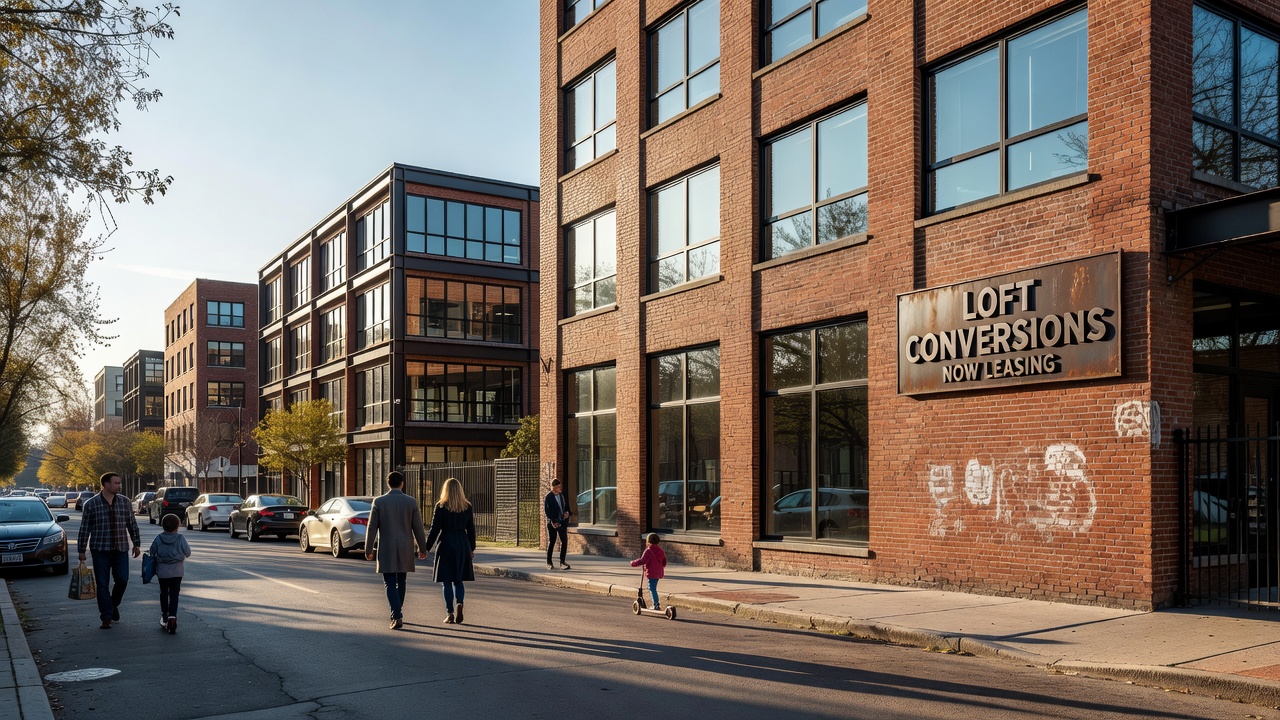
Chicago's industrial heritage is fueling a wave of loft conversions that are breathing new life into once-neglected neighborhoods. Former factories and warehouses in areas like the West Loop and Pilsen are being transformed into modern workspaces that blend historic architecture with contemporary design elements suited for urban professionals.
Adaptive Reuse Driving Urban Renewal
Developers are prioritizing adaptive reuse projects that preserve original brick facades, exposed beams, and high ceilings while integrating energy-efficient systems and flexible floor plans. These conversions attract tech startups, creative agencies, and remote workers seeking open layouts that encourage collaboration. Neighborhoods previously marked by vacancy now feature ground-floor retail, green roofs, and shared amenities that draw residents and visitors alike. Property values have risen steadily as demand for authentic loft environments grows, spurring further investment in local infrastructure and public transit connections.
City planning incentives, including tax credits for historic preservation, have accelerated the pace of these projects. Architects focus on maximizing natural light through large windows and skylights, creating environments that support both focused work and community events. The result is a mix of private offices and coworking zones that adapt to evolving business needs without requiring new construction on undeveloped land.
Community Benefits and Design Trends
Residents report improved walkability and access to cultural venues as former industrial zones evolve into mixed-use districts. Local artists and makers often occupy ground-level spaces, fostering a vibrant ecosystem that supports small businesses. Design trends emphasize sustainable materials such as reclaimed wood and recycled steel, aligning with broader goals of reducing urban carbon footprints. Data from recent urban studies indicate that loft conversions correlate with lower crime rates and higher employment in surrounding blocks, demonstrating their role in comprehensive neighborhood revitalization. As Chicago continues this trajectory, these workspaces stand as models for integrating heritage with modern functionality across American cities.