Paul Fischer · 2 September 2026
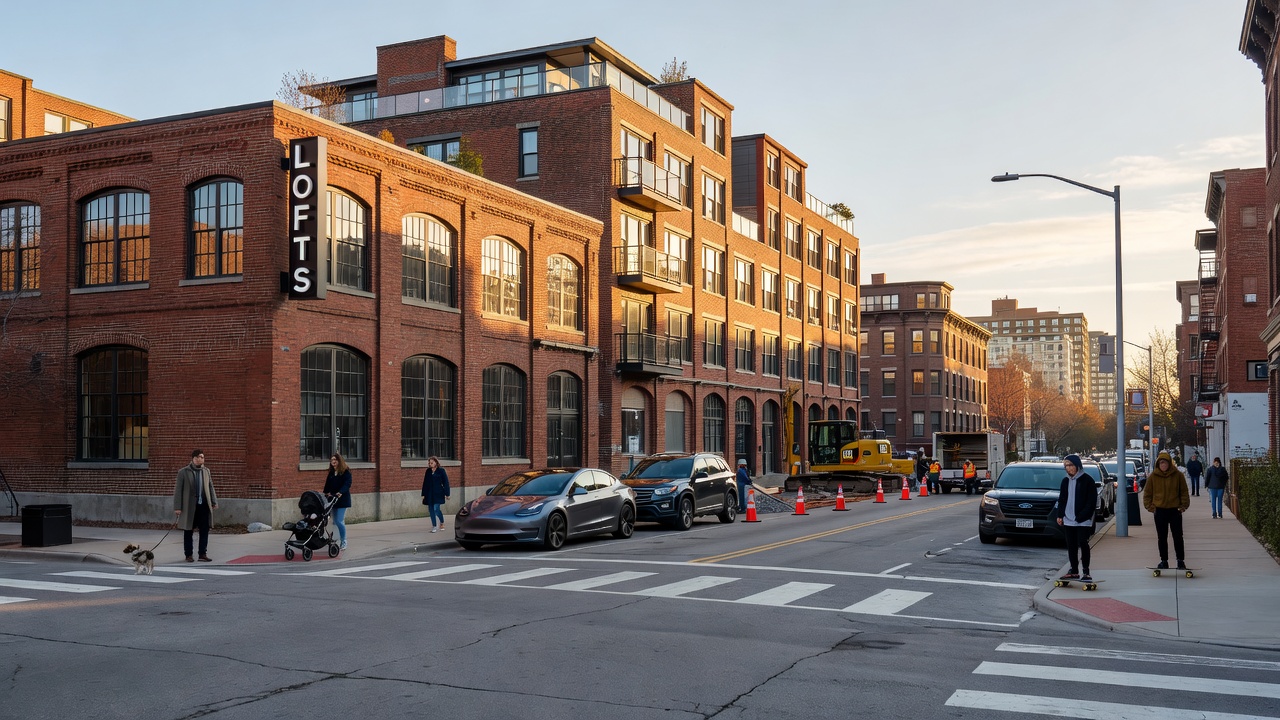
In recent years, Chicago has experienced a notable increase in the conversion of historic industrial buildings into contemporary lofts. These projects are playing a significant role in revitalizing various neighborhoods by attracting residents, businesses, and investments to previously underutilized areas. Developers are focusing on preserving architectural heritage while creating functional spaces that serve both residential and professional needs.
Economic and Social Impacts
The economic effects of these loft conversions are substantial. Property values in targeted neighborhoods have risen considerably, often by double digits over a short period. This appreciation draws new commercial tenants, including cafes, galleries, and co-working facilities that cater to the influx of creative workers. Employment opportunities arise not only during construction phases but also in the ongoing management and maintenance of these properties. Socially, the developments foster diversity as young professionals and families integrate with long-term community members, leading to enriched local cultures and improved public services funded by higher tax revenues. Furthermore, the revitalization helps combat urban decay by repurposing vacant structures that might otherwise deteriorate. City planners note that such initiatives align with sustainability goals by minimizing the need for new constructions on greenfield sites. Neighborhoods like Bridgeport and Avondale exemplify how targeted investments can transform perceptions and realities of urban living and stimulate further private sector involvement.
Innovative Workspace Designs
Design elements in these converted lofts prioritize flexibility and aesthetics suited to modern workspace requirements. Features such as modular partitions, integrated lighting systems, and communal areas encourage innovative work practices. Materials like reclaimed wood and steel beams maintain an industrial charm while providing durability and visual appeal. Professionals in fields ranging from graphic design to software development find these environments conducive to productivity and inspiration. Examples from successful projects highlight the use of energy-efficient windows and green roofs that reduce operational costs and environmental footprints. Community engagement is also key, with many developments including ground-floor retail spaces that support local entrepreneurs. This holistic approach ensures that loft conversions contribute positively to neighborhood vitality beyond mere aesthetics. As Chicago continues this trajectory, the model offers valuable lessons for urban planners nationwide seeking balanced growth through adaptive reuse strategies.