Paul Fischer · 2 September 2026
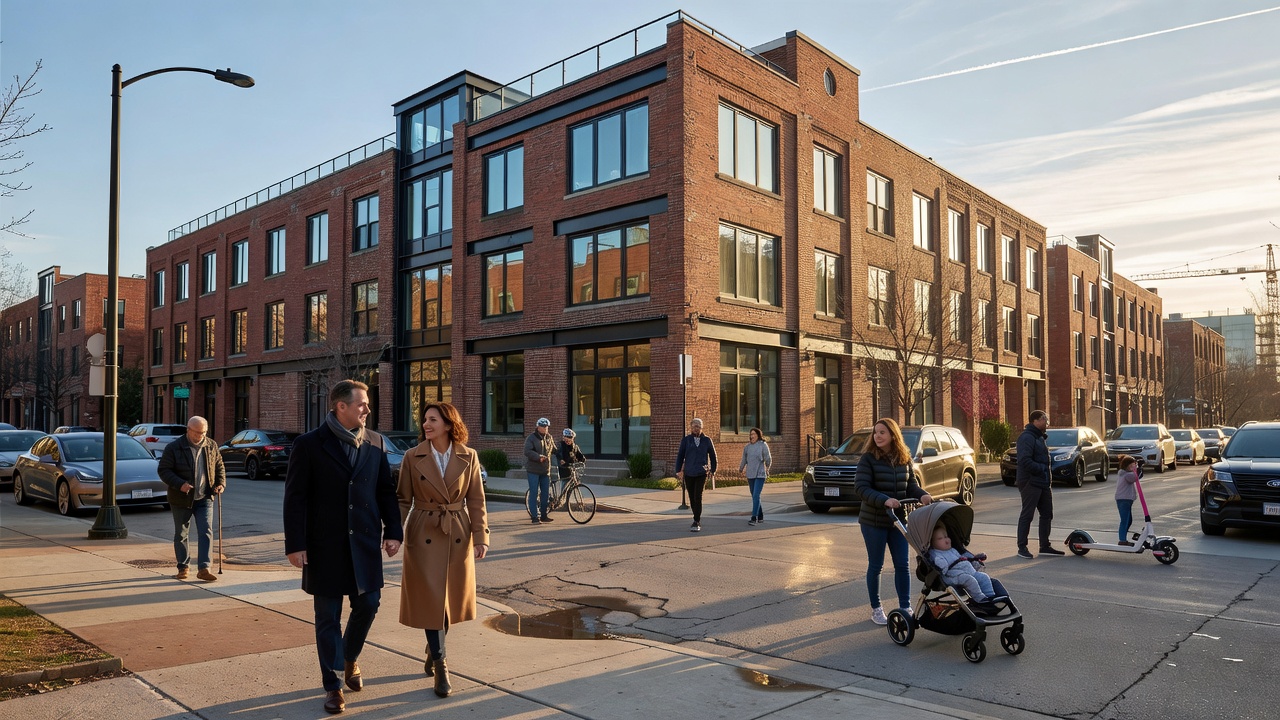
Chicago's urban landscape is undergoing a significant transformation as abandoned warehouses and factories are repurposed into vibrant loft workspaces. This trend is particularly evident in neighborhoods such as the West Loop, Fulton Market, and Logan Square, where loft conversions are attracting new businesses and residents alike. City officials have supported these initiatives through zoning changes and tax incentives, recognizing the potential for urban renewal without the need for extensive new construction.
These conversions not only preserve the city's architectural heritage but also contribute to economic growth by creating spaces that blend industrial charm with contemporary design elements suitable for modern work environments.
Economic and Social Benefits of Loft Conversions
The influx of loft developments has spurred revitalization in several Chicago neighborhoods. Property values have increased, local businesses have flourished, and crime rates have decreased in areas previously considered blighted. Developers report that these projects often include mixed-use elements, combining workspace with residential units and retail spaces, fostering a 24-hour community atmosphere.
Studies indicate that neighborhoods with successful loft conversions experience a 15 to 20 percent rise in employment opportunities within the first five years. This is largely due to the appeal of flexible, open-plan offices that cater to startups, creative agencies, and tech firms seeking unique environments. Furthermore, the demographic shift brings in younger professionals who contribute to the cultural vibrancy of the area through events and pop-up markets.
Community engagement has also risen, with many conversions incorporating public art installations and green spaces that encourage interaction among residents and workers.
Design Features Enhancing Urban Loft Workspaces
Modern loft workspaces in Chicago emphasize high ceilings, exposed brick walls, and large windows that maximize natural light. Designers incorporate sustainable materials and smart technology to create efficient, eco-friendly offices. Features like collaborative zones, private pods, and wellness areas address the diverse needs of today's workforce. Case studies from recent projects show improved employee satisfaction rates due to these thoughtful designs.
These design choices not only enhance productivity but also attract tenants willing to pay premium rents, further incentivizing more conversions. Architects note that balancing historical elements with functional updates is key to the success of these projects.
As Chicago continues to embrace loft conversions, the city sets an example for other urban centers looking to revitalize through adaptive reuse of existing structures.